AI leaders, including NVIDIA's CEO, are urging the U.S. not to restrict open-weight AI models. They argue that public access fosters innovation, aids startups, and enhances safety through transparency, warning that restrictions could hinder U.S. technological advancement.
Discover how VisionClaw transforms organizations into 'governed agentic meshes,' where AI agents and human judgment collaborate seamlessly. This platform addresses the growing challenge of unmanaged AI adoption by providing a structured, secure, and auditable framework for autonomous systems.
A community of AI practitioners shared working prototypes that automate everything from podcast production to building safety analysis. Their candid discussion reveals which models work best for different tasks, what actually breaks in production, and how to build agents that scale on modest hardware.
Teams are building agent-driven systems that automatically organize knowledge, curate content, and handle complex workflows—but face real challenges around access control, creative oversight, and how to structure information so agents can actually use it effectively.
A new open-source tool by our London member Peter Hollis captures everything on your screen and in meetings, storing it locally with AI-powered search—giving autonomous systems a persistent memory without cloud dependencies or privacy trade-offs.
Running AI coding agents like Claude in production reveals infrastructure gaps. A developer's detailed troubleshooting journey exposes why current tools weren't designed for autonomous systems operating at scale.
A new macOS tool creates a controlled environment where AI agents can operate safely without risking your system's security. It acts as a protective gateway, letting agents work while preventing unwanted access to sensitive areas.
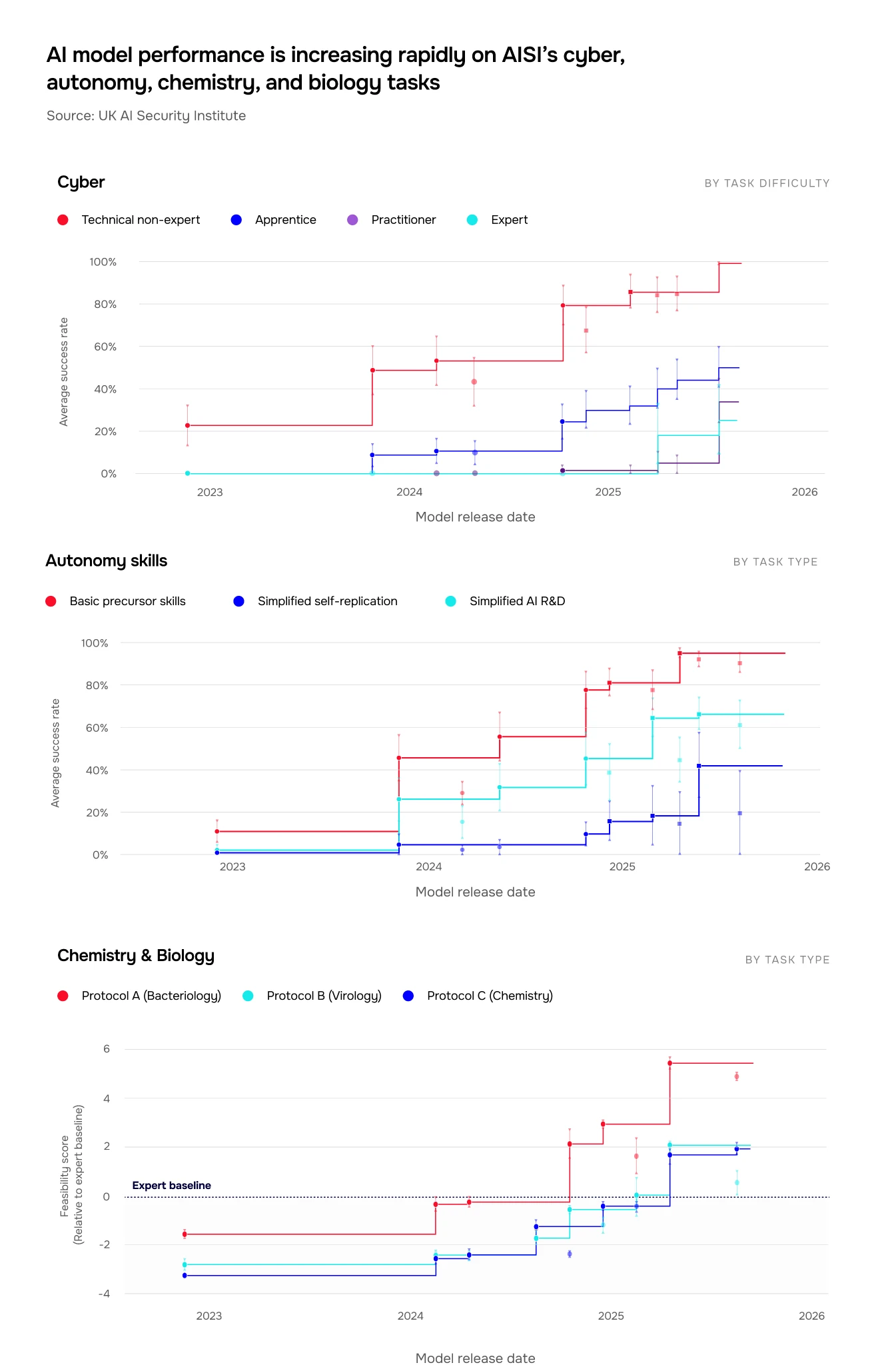
AI agents are now completing hour-long expert-level tasks with growing success rates, but safeguards haven't kept pace. The UK's AI Security Institute reveals the capabilities making autonomous systems more powerful—and the vulnerabilities organizations need to understand before deploying them.
A newsletter exploring competitive AI dynamics, regulatory frameworks for AI systems, and automation bottlenecks—raising questions about how AI agents interact with governance and organizational constraints.
Supabase has released a set of rules that teach AI agents how to write better Postgres database code. Instead of hoping AI learns correct practices from training data, these explicit guidelines help agents avoid common production mistakes like performance problems, security gaps, and connection failures.
Claude-flow introduces an AI-optimized browser automation layer that helps agents navigate websites, learn from interactions, and coordinate across multiple tasks—with built-in security safeguards for sensitive operations.
A developer built a sandbox environment that lets AI agents run in full autonomous mode without threatening your actual computer. It's a glimpse into how organizations might safely test autonomous systems before deployment.
As AI agents begin executing real business tasks—from booking travel to managing databases—a new protocol tackles a crucial problem: how do you verify an agent actually does what it claims before it acts? Vouch Protocol offers an open, decentralized answer.
Meet Yasu: an AI agent that doesn't just tell you about cloud waste—it actually fixes it. This practical approach to autonomous problem-solving shows how agents can take direct action to reduce costs and improve business operations.
DeepMind's updated Frontier Safety Framework establishes stronger security guardrails for advanced AI systems. As AI agents become more autonomous, understanding these safety protocols matters for organizations planning to deploy them responsibly.
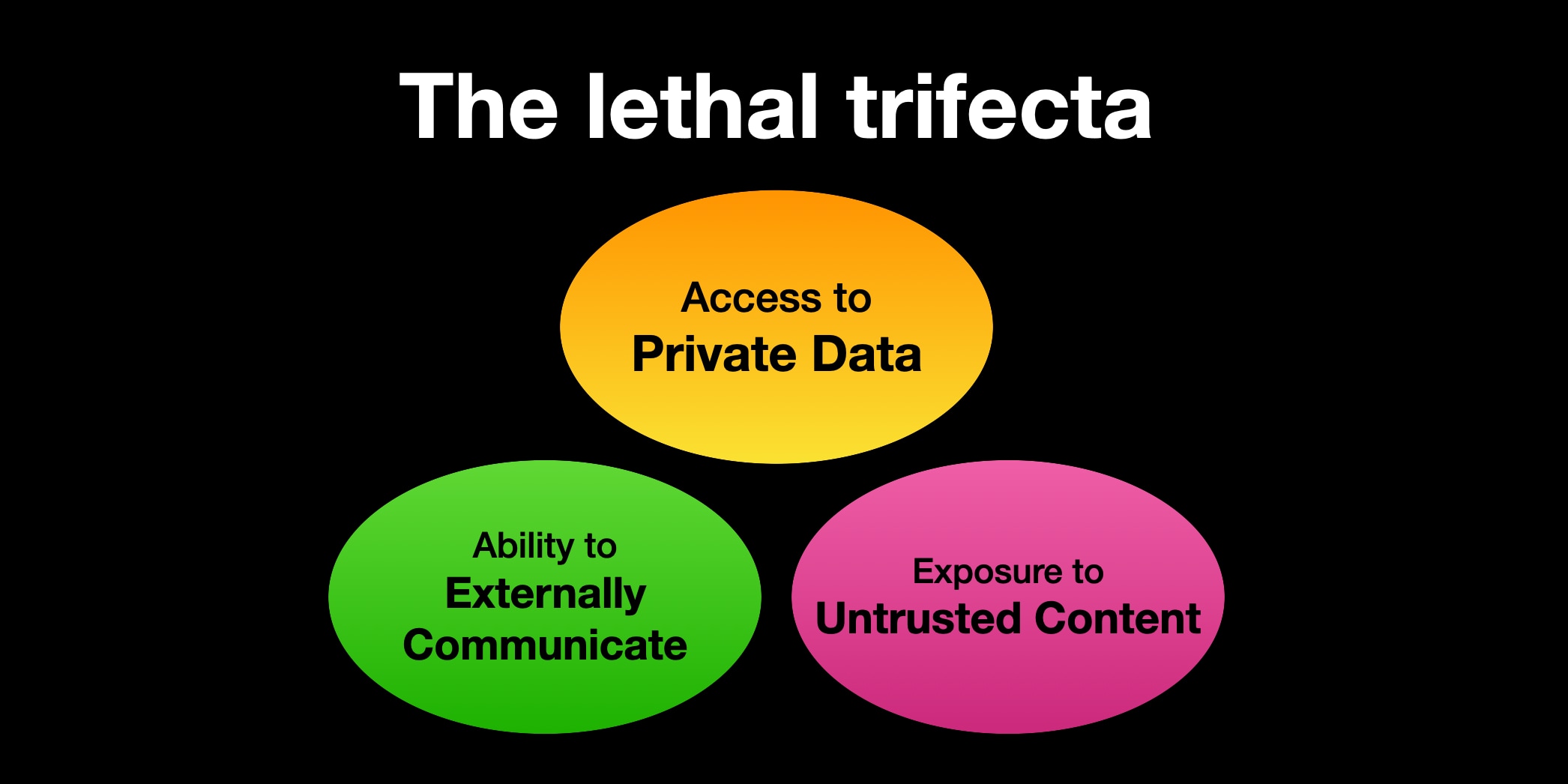
An expert identifies three interconnected weaknesses that could severely compromise AI agent reliability. Understanding these risks is crucial for organizations deploying autonomous systems in critical functions.
DeepMind's latest research examines how generative AI is being misused today—essential reading for business leaders evaluating whether and how to safely deploy AI agents in their organizations.
Google DeepMind and the UK's AI Security Institute deepen their partnership on safety and security research—ensuring the AI systems businesses increasingly rely on are built with robust safeguards.
DeepMind's CodeMender uses AI agents to autonomously identify and fix software vulnerabilities—showing how intelligent agents can take ownership of complex security challenges that typically require specialized human expertise.